/filters:quality(90)/fit-in/970x750/coros-web-faq/upload/images/ebe38c76648d4522a08780b1e44a06c9.png)
Francesco Puppi isn't new to the trail scene, but this weekend's Black Canyon 100K marks something different: a convergence of speed-focused winter training and a new racing environment.
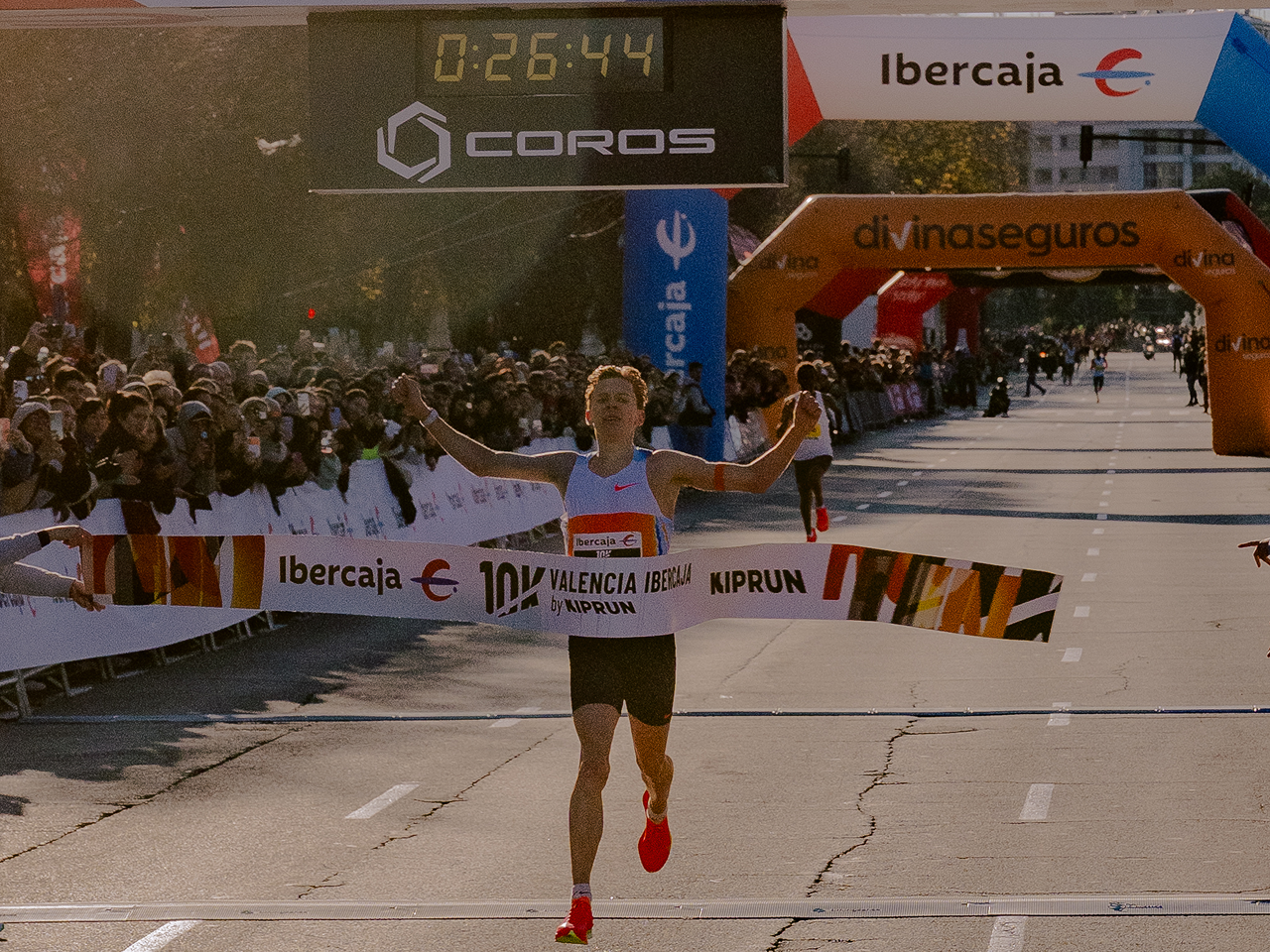
“I first approached ultra running almost 15 years ago now,” Francesco shared. Like many European athletes, his early career was shaped by short-distance running on the track or mountain-like cross country courses. Over time, with a gradual approach, he moved on to longer distances. "I see myself as a runner, not strictly as an ultra runner or a trail runner," he reflected. "With more experience and a bigger training background, I was able to diversify my goals. I don't see long races as the ultimate goal of my career, I'm much more attracted by the competition and the problem solving aspect of ultra running. There's just as much value and difficulty in running fast over shorter distances, which I've done for many years and I still do"
Why Black Canyon?
Black Canyon is a unique 100K for multiple reasons, the first being the elevation profile. With a net downhill of 600 meters and only 1600 meters of elevation gain, it's fast for an ultra. "It's a net downhill race. I think you need speed, and especially the ability to sustain a relatively high speed after many hours of running, more than climbing skills," Francesco said.
The downhill doesn't quite tell the full story, though. The course is defined by rolling terrain, constant small rises and drops, and long runnable sections that do not allow effort to reset naturally. Much of the race takes place on dirt roads and smooth desert trails, making it far less technical than a mountain ultra, but not necessarily easier.
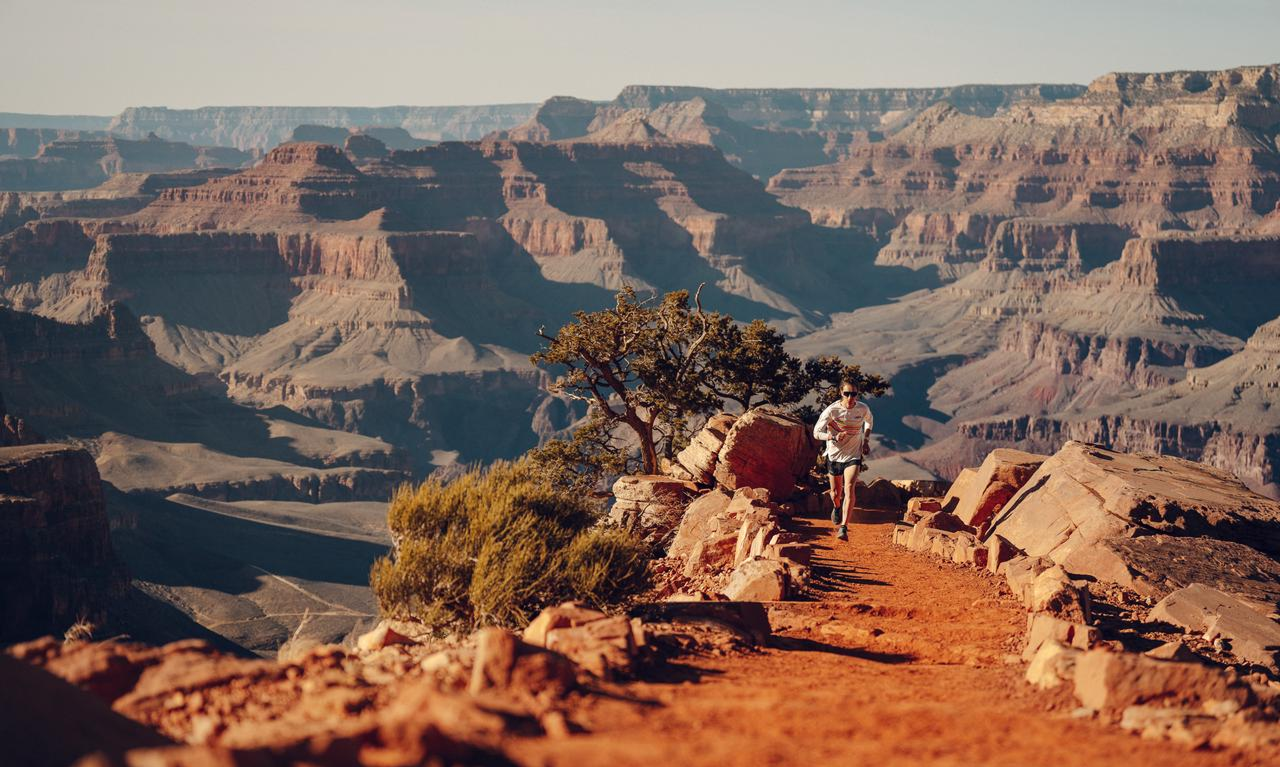
Photos by Daniele Molineris
Finally, the timing of Black Canyon works well for Francesco. “The type of race perfectly matches the goal of my winter preparation,” he said. With Western States 100 on the horizon later this year, Black Canyon also serves as an introduction to a lot of what he will see: net downhill, hot & dry conditions, and on American soil.
A Speed-First Foundation
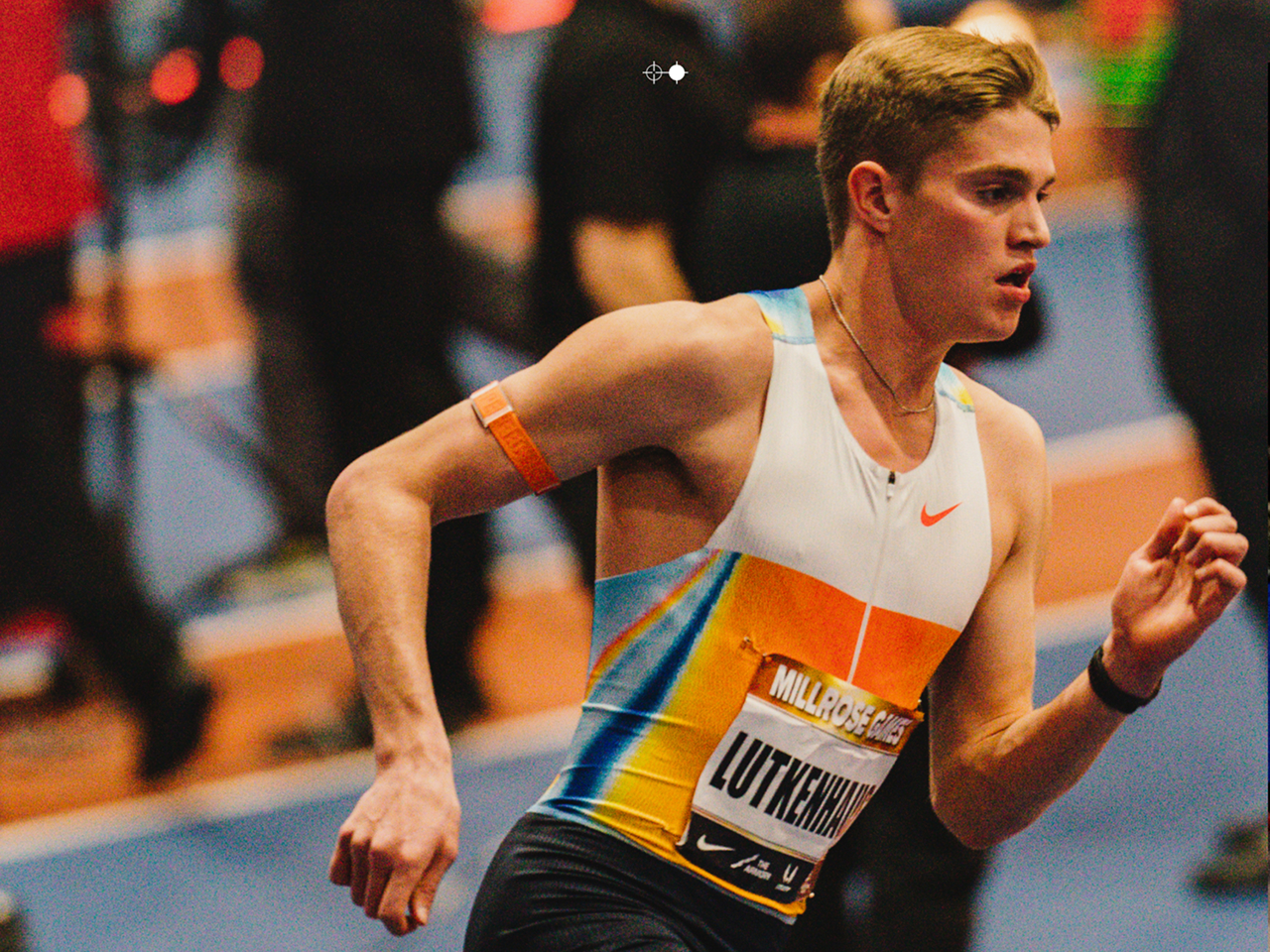
Despite being a trail runner for the past 15 years, Francesco's origins as a runner come from track and short mountain races. Throughout his career, he's held onto those speedier roots.
Many trail runners deprioritize speed work in favor of volume or elevation. Francesco instead keeps speed sessions in his training year-round. "I think that's my advantage over other people," he says. "My speed is not necessarily world class, like a track athlete, but it's fast enough to have a competitive edge over athletes who don't train speed and run long distances."
He had about 3 months of base training at home in Italy before traveling to Flagstaff, Arizona for altitude camp and to be closer to the course. He jumped right into short interval sessions like 12x300m, which provided turnover without overloading his aerobic system during the adjustment to altitude. He waited nearly 10 days before returning to threshold intervals, like 8x1200m, which require more sustained aerobic effort.
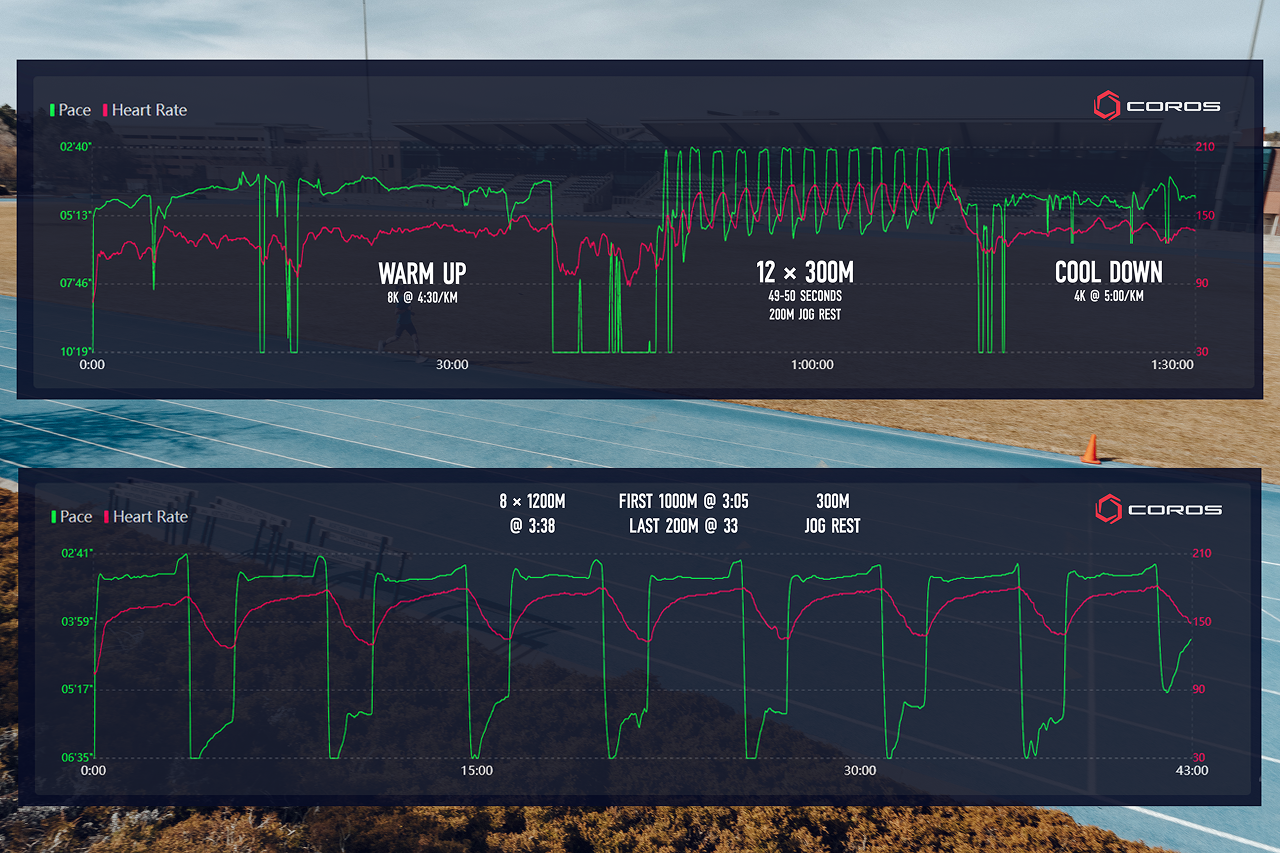
From a physiological standpoint, this is especially relevant for races like Black Canyon. Higher speed reserves allow an athlete to operate at a lower relative effort for a given pace, delaying fatigue over long runnable sections.
Recovery
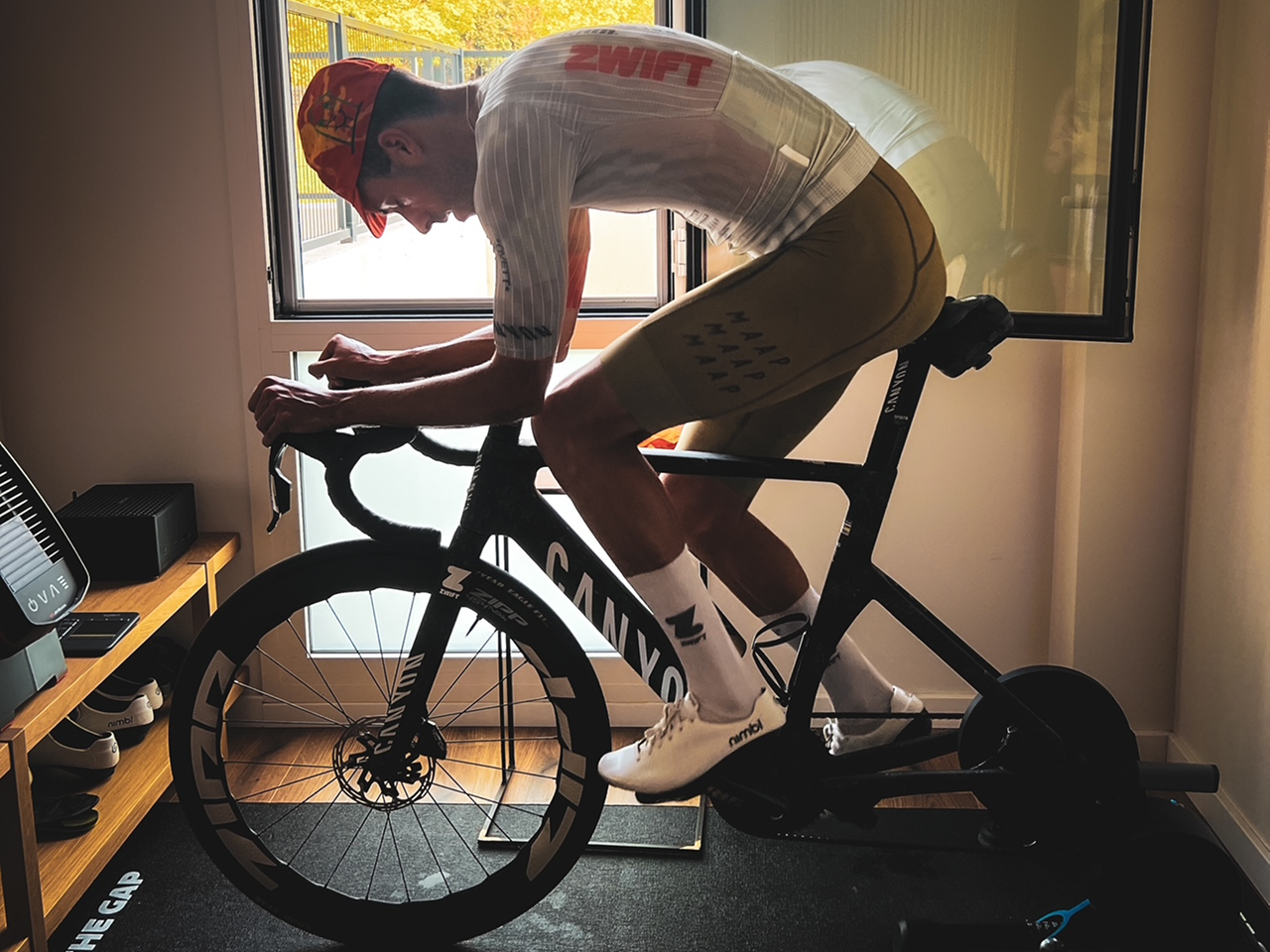
Francesco's mileage currently ranges from 90 to 140 miles per week. His running is also supported by plenty of cycling, to allow him to accumulate more volume without the mechanical stress on his legs. This is slightly higher, but still very comparable to previous winters, with a weekly volume ranging between 20-24 hours per week. With this amount of volume, recovery is critical.
For Francesco, recovery starts with choosing the right amount of stress to put himself under. "We don't want to have killer workouts, we want to be able to show up consistently every day and do the work and recover and do it again the next day”. This is reflected in decisions like his choice to adjust to altitude before starting threshold workouts.
He often splits his easy days into two shorter sessions rather than one long effort. “Maybe one hour in the morning and one hour in the afternoon instead of doing a single two-hour run; that tends to make me more tired.” he noted.
Balancing training and his personal life and projects is sometimes challenging. "My life doesn't fully revolve around training," he notes. "The challenge is to prioritize recovery over other things." Francesco is a founding member of the Pro Trail Runners Association, a podcast host and a coach, and he recently launched his YouTube channel. "I'm much better than how I used to be, but I still need to be mindful about my time, inside and outside of training."
Long Runs
The Black Canyon 100K includes extended descents and long stretches of uninterrupted running. That requires the ability to sustain pace without relying on steep climbs or descents to reset effort.
Francesco's long runs typically range from three to four hours, sometimes followed by a second low-intensity session such as a hike or easy bike ride. In this way, he's able to reach 6-7 hours of total workout time without the mechanical impact of running but with the same metabolic benefits.
Some long runs include surges or moderate-intensity efforts, while others were focused purely on time-on-feet. He typically dropped to a lower elevation to get more out of the session while still allowing for recovery. In the long run below, he completed 52km at 1200m elevation. To add some extra quality, he included four 10-minute bursts at tempo effort.
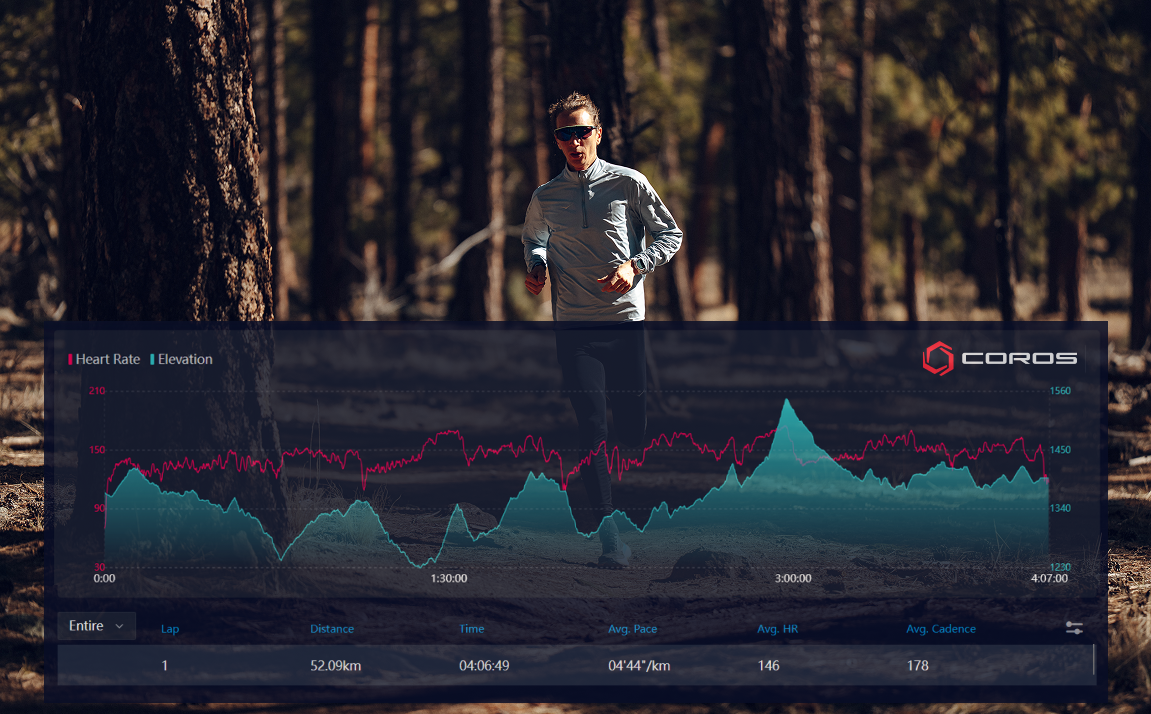
Flagstaff is only a few hours' drive from the course, which gave Francesco a chance to scout the course before his taper.
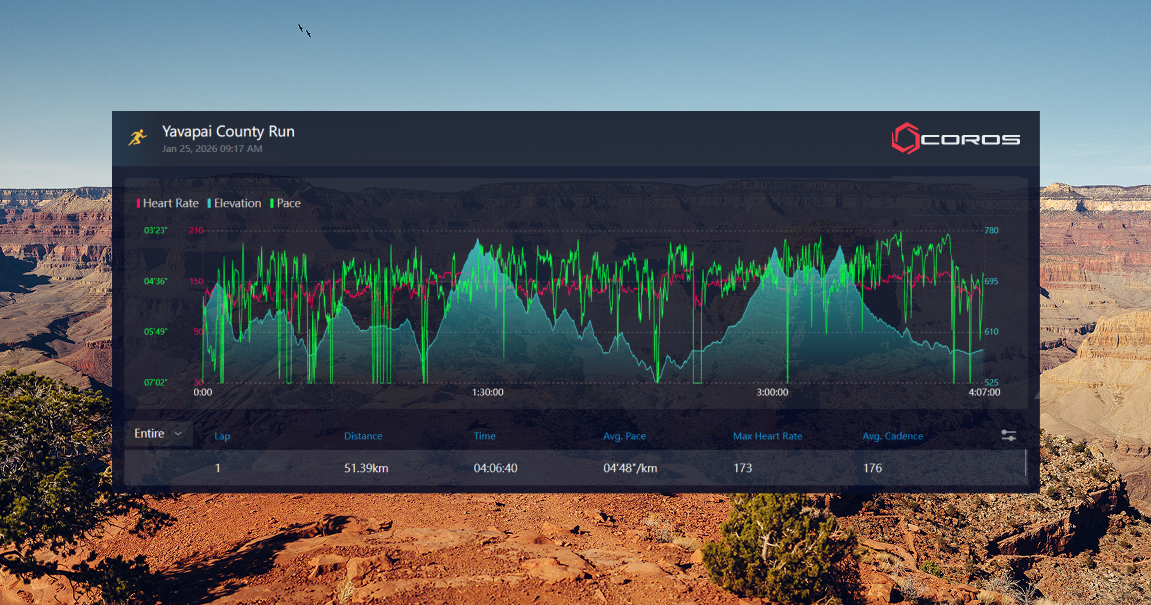
This session took him through the last half of the course. Scouting the course not only gives him an idea of what he's up against, but gives his body the exact stimulus he'll experience during the race. Notice how consistent he keeps his pace despite the climbs and descents. This helps simulate the race, where keeping pace is key.
Strength, Drills, & Running Economy
With fewer elevation-heavy trail runs in the winter, Francesco places more focus on strength work and drills. He completes two strength sessions per week, each lasting about an hour and geared toward max strength and power.
Along with that, he has 30-minute drills and running form sessions, a rarity in the trail world. These help improve posture, coordination, and stride mechanics. “Some people think it's a waste of time. To me, it's not. I think that's where I find a competitive advantage.”
Try it Yourself: Francesco's drill session is available in the COROS Workout Library to sync directly with your watch. Download it here!
The emphasis on running economy makes sense. Long runnable sections like those at Black Canyon punish inefficiency. And with extended downhill segments, muscular fatigue from eccentric loading becomes a real factor. Strength and drills help offset both.
In training, he keeps a close eye on stride length and cadence. “If my stride length is reduced and maybe my cadence increases, it means that I'm more tired.” He compares these metrics on similar gradients to evaluate how his form holds up in various situations.
Using More COROS Tools
On race day, he'll monitor his metrics through a customized screen layout on his APEX 4. “Typically I have a screen on my watch which is the altitude at the top and then elevation gain, elevation loss, time, distance, and then on another screen heart rate,” he explained.
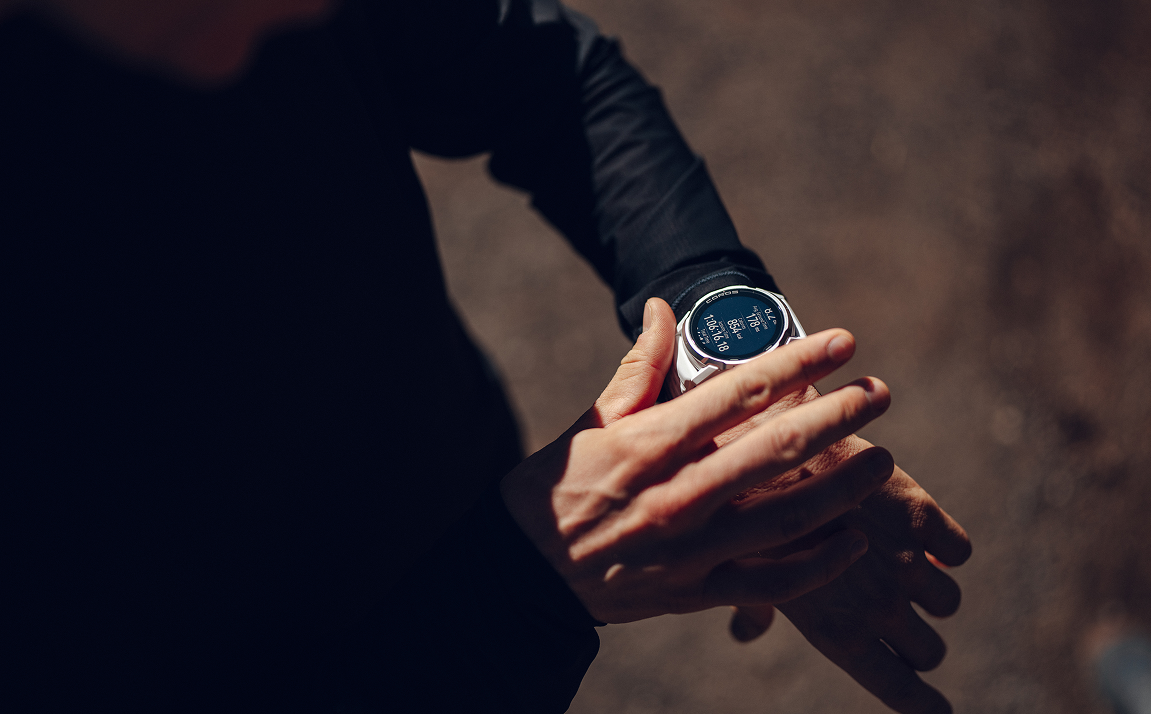
Francesco uses other COROS tools, too. On structured sessions, the Workout Builder comes into play. "I use that typically when I don't want to think about taking splits. I can focus more on the intensity instead of the duration of each interval, which frees up some mental energy." He also uses COROS' navigation tools, loading his routes from Strava to his watch via the COROS app.
Looking Ahead
Francesco's sights are set on a big season ahead, but this weekend's race is a chance to validate a unique training approach that's evolved with him. It's also a case study of early-season trail racing strategy, supported by real data and real sessions.
Black Canyon is up next. Francesco is ready.